
Part O Overheating Assessments for New Residential Buildings
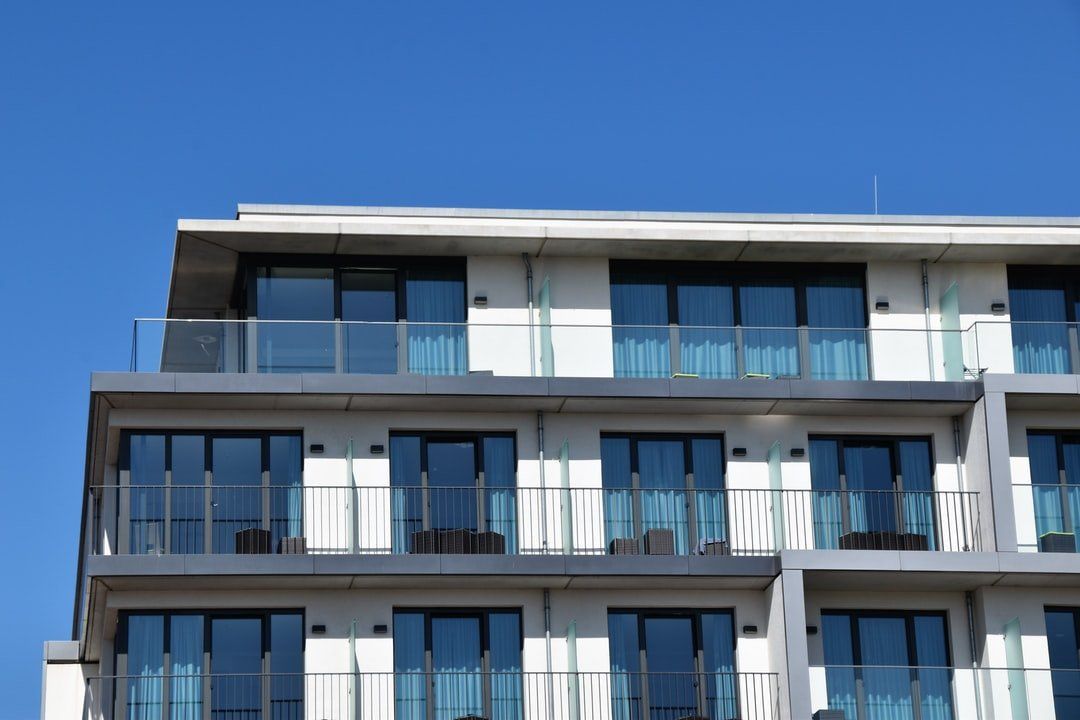
As new homes have become increasingly airtight to meet energy efficiency targets, overheating in residential buildings has become a growing risk to occupant health and comfort. Part O of the Building Regulations, introduced in June 2022, requires all new homes in England to demonstrate compliance with overheating criteria — before construction begins.
What is a Part O Overheating Assessment?
There are two approved routes for demonstrating Part O compliance. The Simplified Method uses fixed criteria around glazing area and ventilation openings. Where a scheme cannot pass the simplified route - common on urban sites, south-facing schemes, or noise-constrained developments - a full CIBSE TM59 dynamic overheating assessment is required.
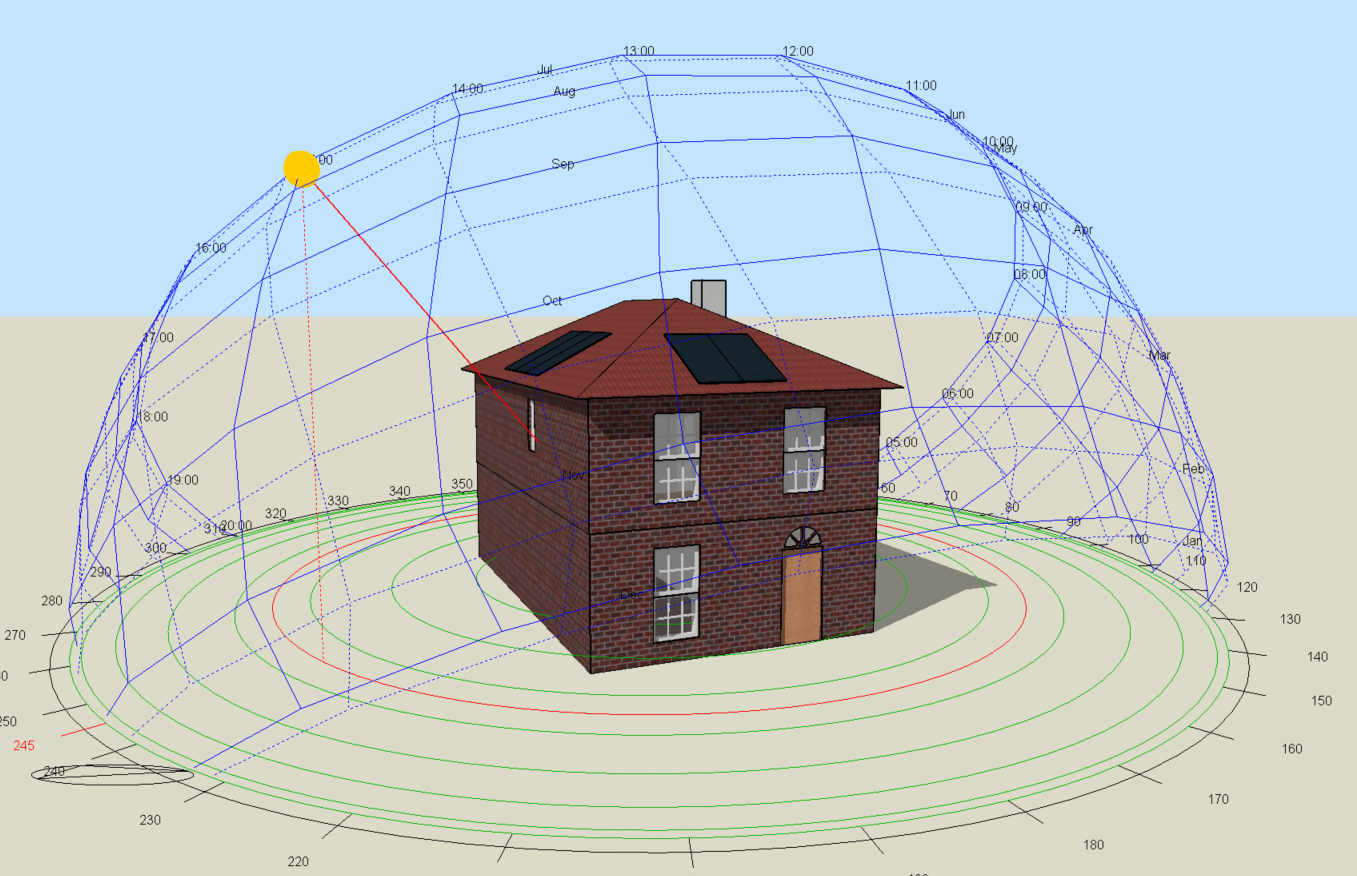
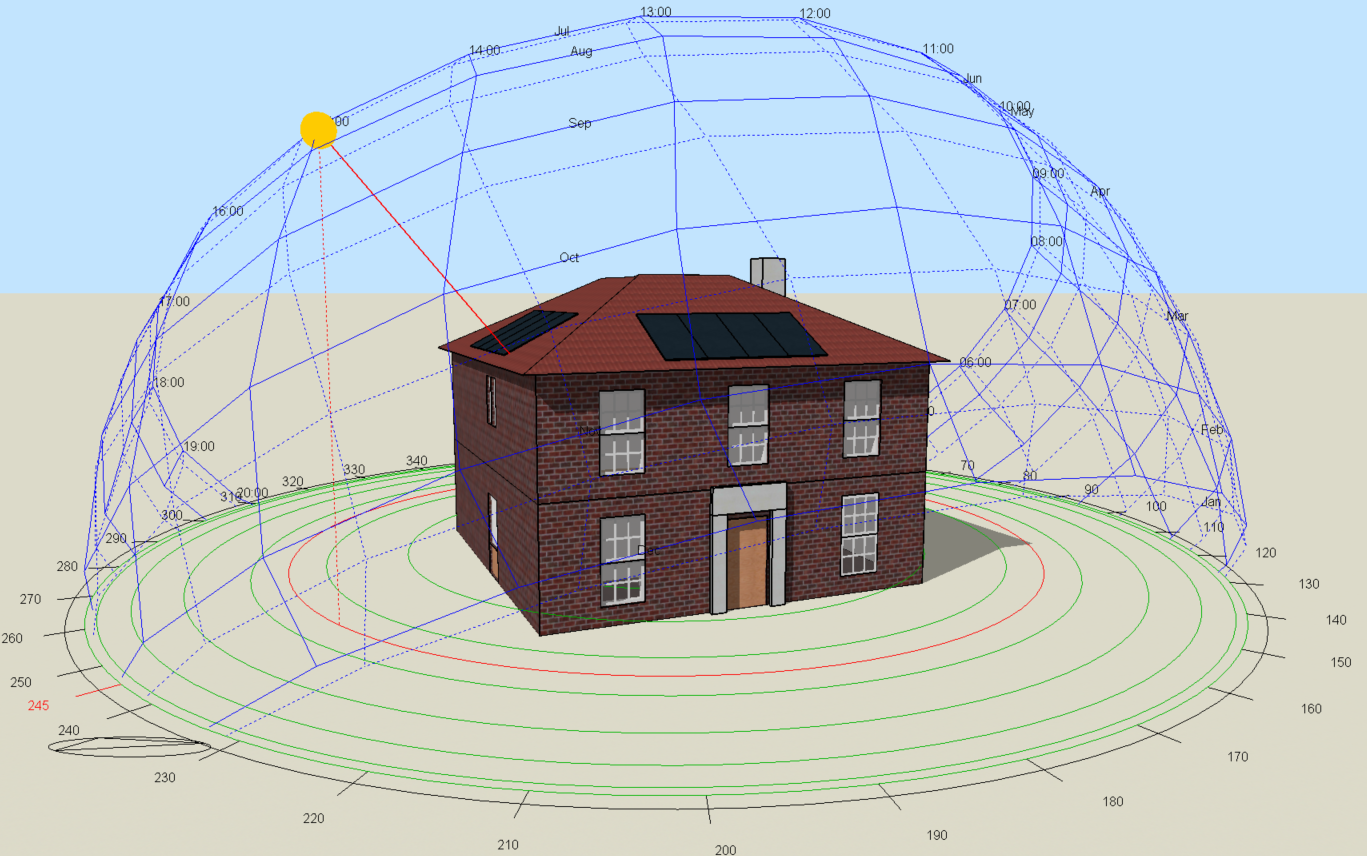
TM59 uses hour-by-hour dynamic thermal modelling to simulate a building's internal temperatures across a full summer period, accounting for real-world factors like glazing, shading, thermal mass, occupancy patterns, and local weather data. It is the industry standard for residential overheating analysis and offers greater design flexibility than the simplified route.
When is a TM59 Assessment Required?
A TM59 dynamic assessment is required — or strongly recommended — in the following situations:
- The Simplified Method fails or cannot be applied — e.g. where glazing ratios are high or solar exposure is significant
- Noise constraints restrict window opening — where night-time ventilation is limited and mechanical solutions must be modelled
- London Plan or local planning policy requires it — many London boroughs and some other LPAs require dynamic modelling as a condition of planning
- Greater design flexibility is needed — TM59 modelling can unlock compliance pathways that the simplified method cannot demonstrate
Why Assess Overheating Early?
The most cost-effective point to address overheating risk is at RIBA Stage 2–3, when glazing specifications, orientations, and ventilation strategies can still be adjusted without affecting programme. Identifying compliance issues late - at Building Regulations stage or after planning consent - can result in expensive redesign or last-minute specification changes. Early
overheating risk assessment gives design teams clear, actionable guidance before it becomes a programme risk.
Our Specialist TM59 Overheating Service
Our dedicated TM59 Expert service delivers Elmhurst-accredited CIBSE TM59 assessments and Part O compliance reports for residential developments of all scales - from single dwellings to 350+ plot schemes. With a team experienced in noise-constrained, high-glazing, and large-scale phased projects, we provide dynamic thermal modelling and targeted mitigation strategies to keep your project on programme and on budget.
Speak to Our Team
Not sure which compliance route applies to your project? Our team can advise on both planning and Building Regulations requirements. Get in touch today for a no-obligation conversation with one of our consultants.